



Responsibly Grown
Because pistachio orchards take five to seven years to yield a marketable crop—and because the trees themselves can flourish for generations—each orchard is planted with a long-term vision for the future. More than an agricultural investment, an orchard is a living legacy passed from one generation of growers to the next.
With this enduring perspective in mind, American Pistachio Growers are deeply committed to responsible stewardship of the land and surrounding environment, ensuring their orchards—and the ecosystems that support them—continue to thrive for generations to come.
Pistachio Orchards and Integrated Pest Management
In a continuing effort to maintain healthy wildlife habitats while protecting their crops, American pistachio growers often employ methods of pest control that are designed by nature. These methods are commonly referred to as Integrated Pest Management (IPM)
Some examples of this include:
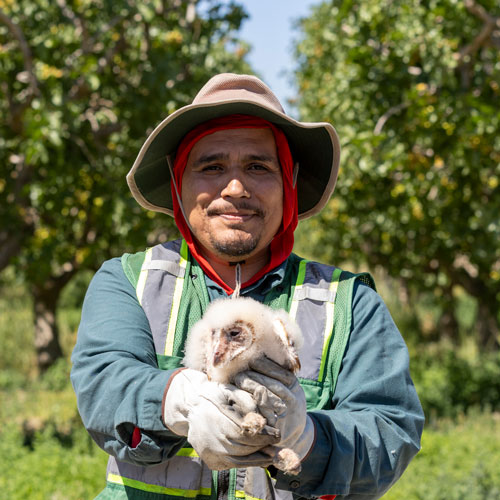
Owl boxes: To manage rodent populations and other unwanted pests from harming irrigation and trees
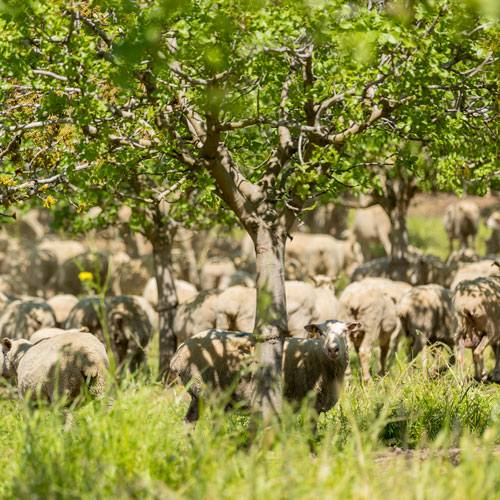
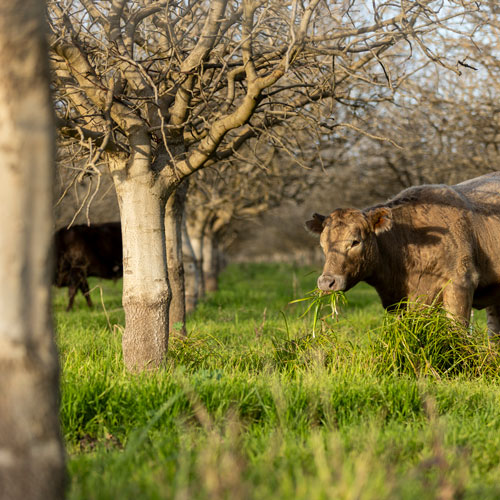
Grazing animals: Sheep, cattle and chickens are used to manage weeds and cover crop without having to spray
Other Sustainable Pest Management Practices
California agriculture is transitioning to Sustainable Pest Management (SPM)—a science-based approach that reduces reliance on high-risk pesticides while maintaining effective control.
The goal is simple: protect the crop while using only what is necessary.
Soil Health Carbon
Healthy soils are the foundation of sustainable production—and one of the biggest opportunities for improving both profitability and environmental outcomes.
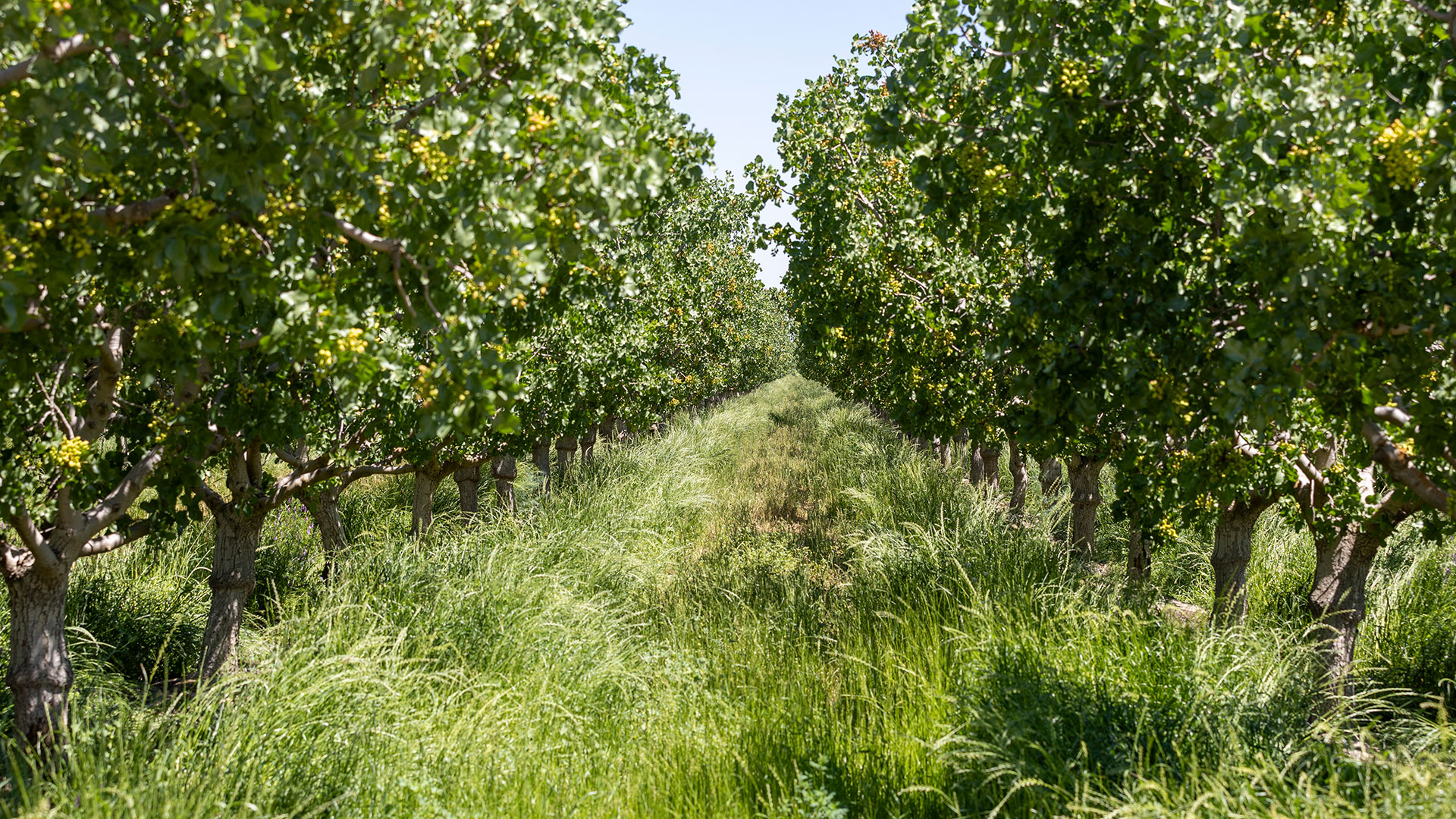
Practices include:
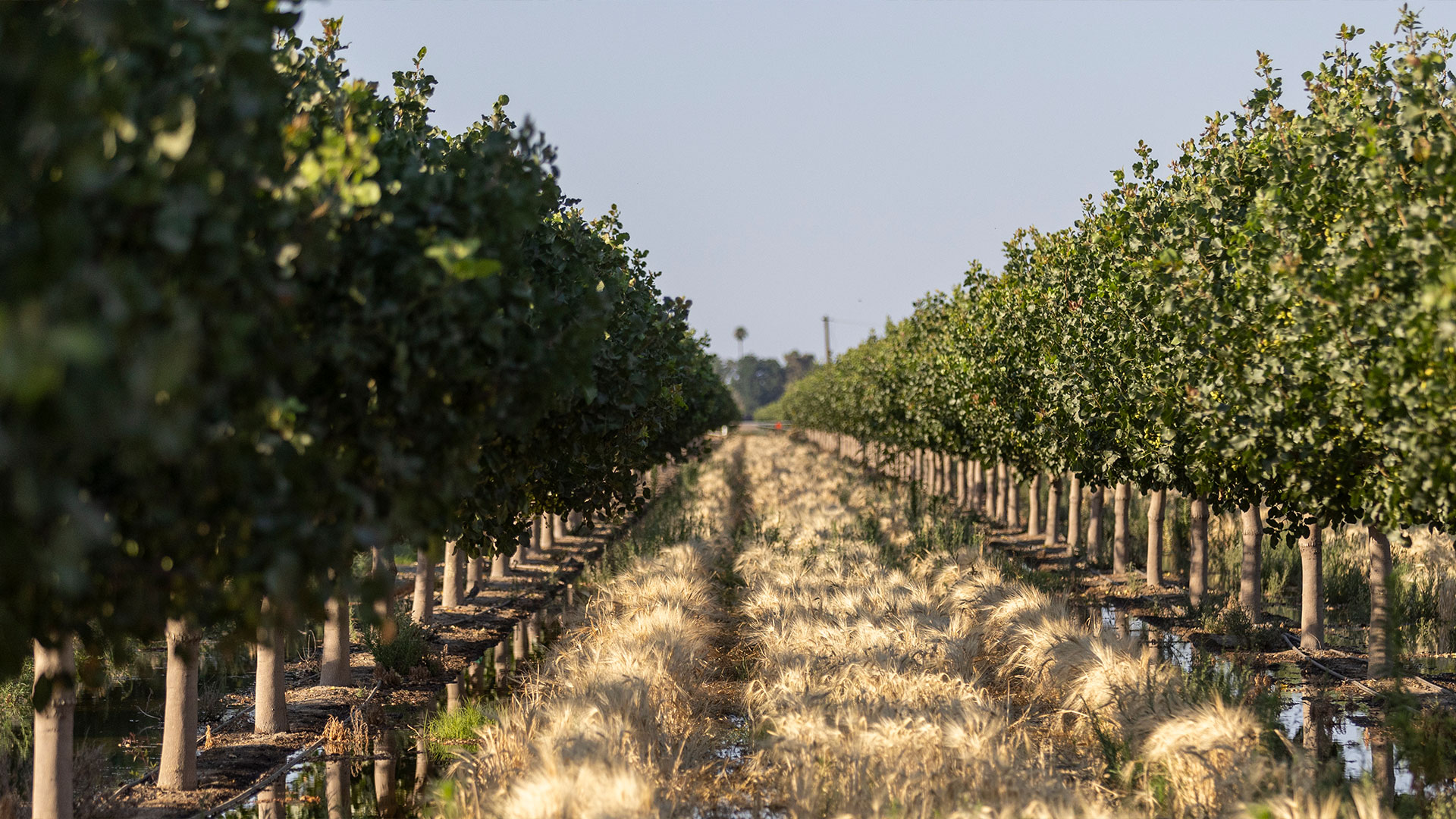
- Cover crops to improve soil health and help water move into the soil
- Compost and organic materials to build healthier soils
- Reduced tillage practices to minimize soil disturbance
- Supporting beneficial soil biology that helps trees access water and nutrients
These practices can:
- Help the soil hold water longer
- Help trees use nutrients more efficiently
- Lower fertilizer and input costs over time
- Increase the amount of carbon stored in the soil
Water Use Efficiency
Water is one of the most valuable resources in pistachio production. Growers manage irrigation using a variety of techniques that involve strategic scheduling and monitoring.
Efficient water use supports both productivity and long-term groundwater sustainability.
Water Recharge Conservation
Our growers are also part of broader efforts to improve water sustainability, which involve on-farm groundwater recharge and soil health practices. Such efforts help build long-term water resilience across California agriculture.
Nutrient Efficiency
Fertilizer programs are increasingly focused on precision and efficiency, not just application. The result is less waste, lower costs, and improved environmental performance.
Precision Agriculture & Technology
Technology is helping growers make better decisions at every level of the orchard.
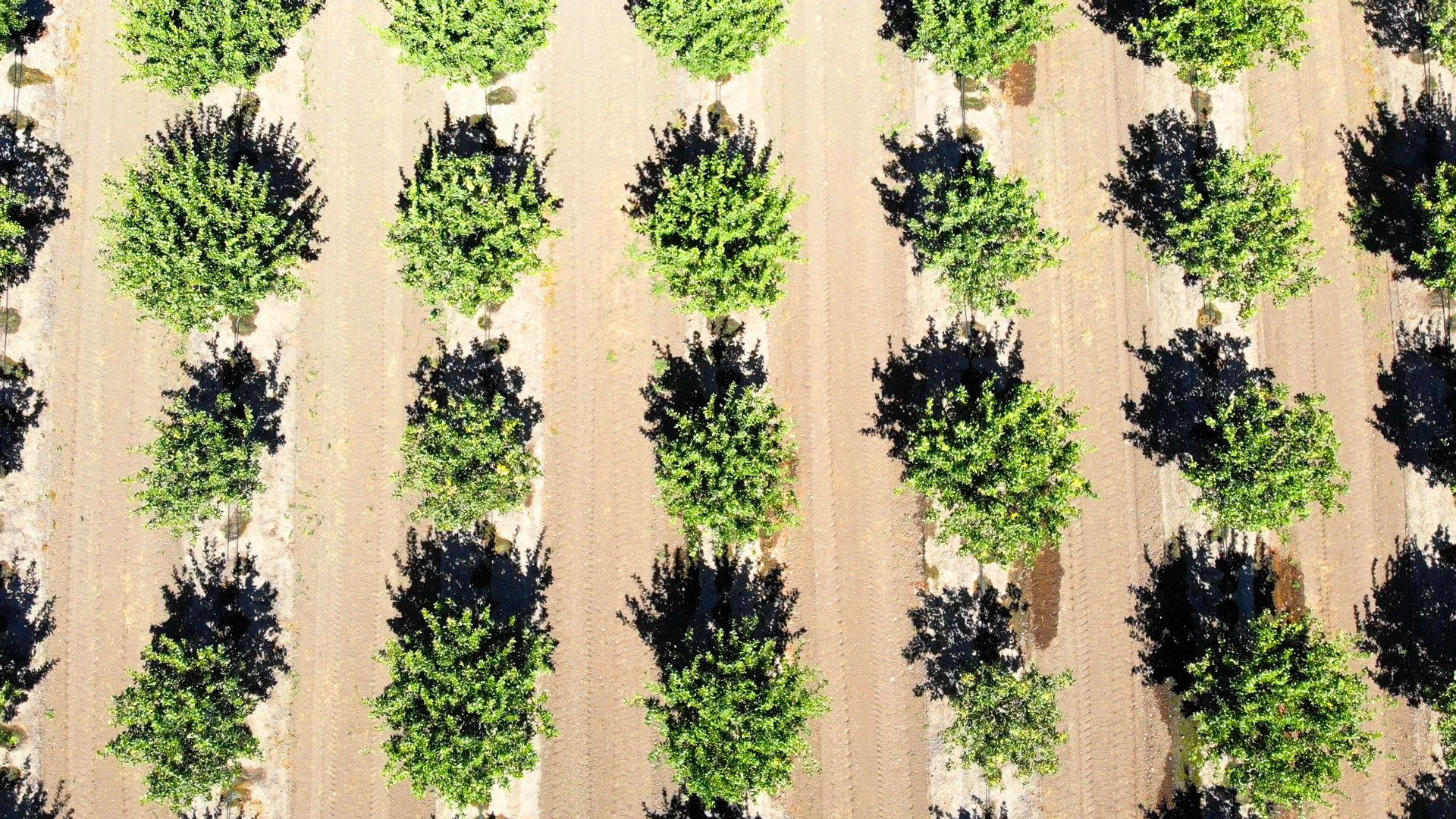
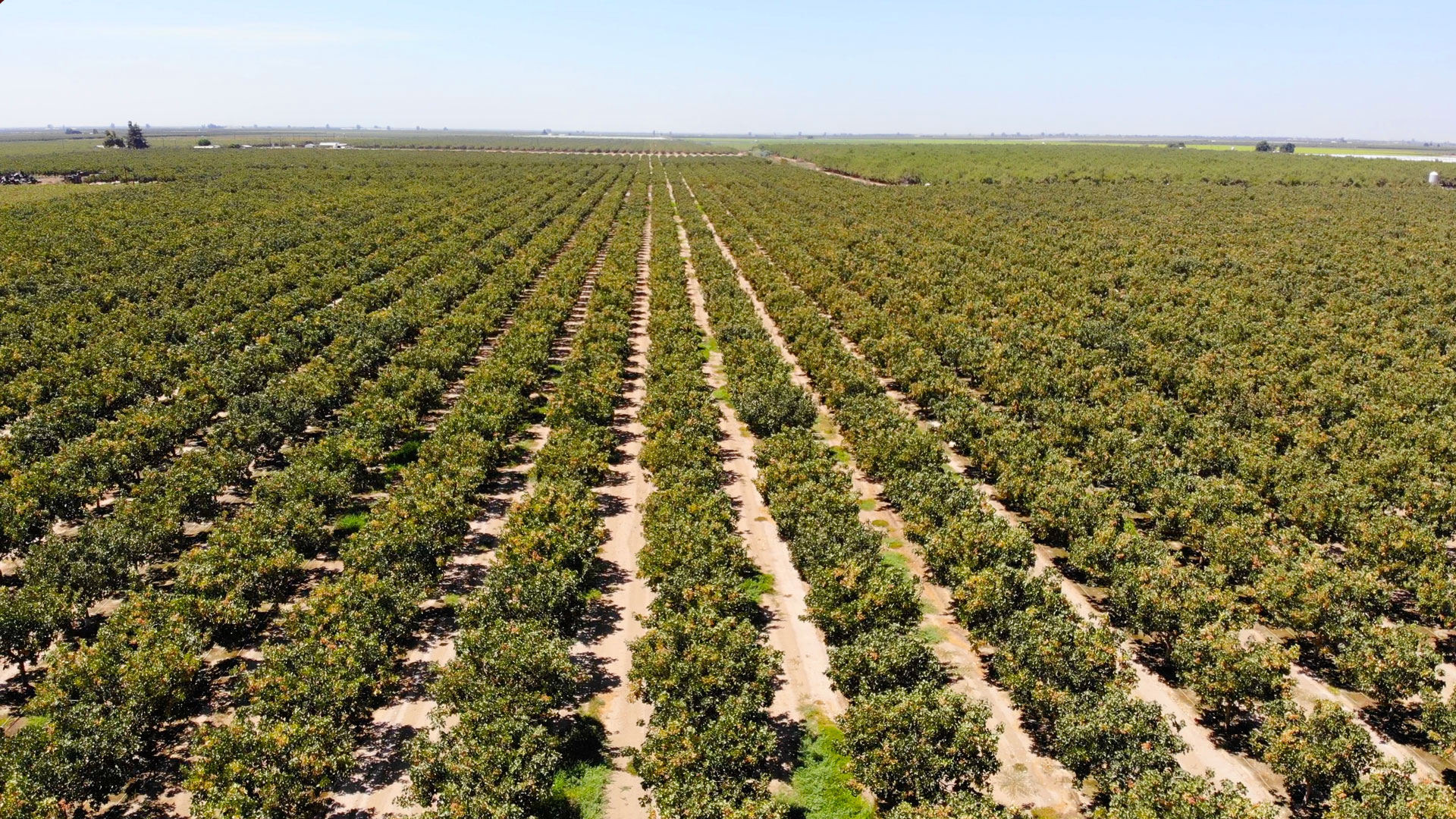
Tools include:
- Aerial imagery and yield mapping to better understand orchard variability
- Soil and plant sensors that help monitor field conditions in real time
- Variable rate applications that apply materials only where needed
- Data-driven tools that help growers make more informed decisions
These tools allow growers to target inputs where they’re needed most, improving both efficiency and return on investment.